
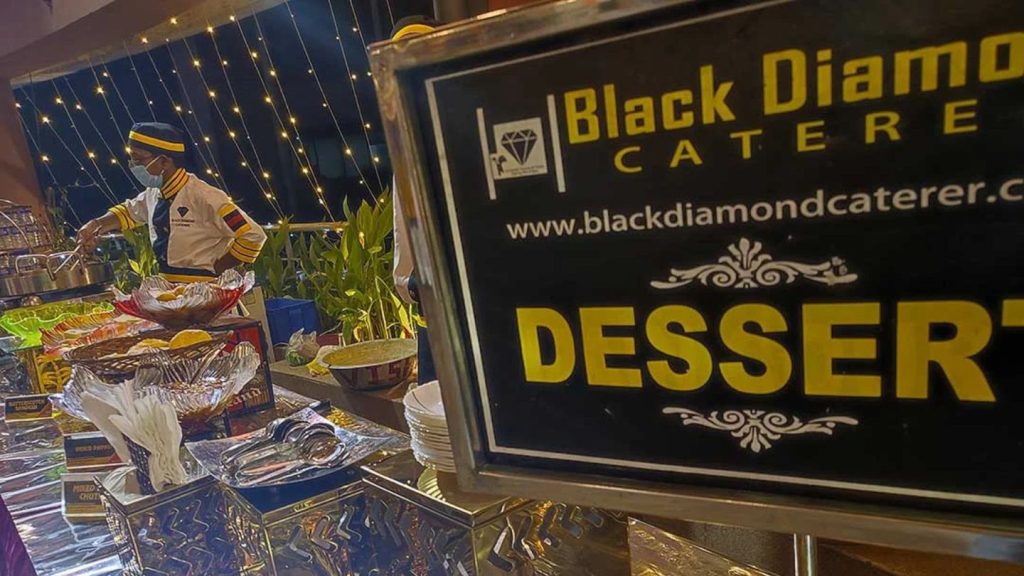
25 Best Bengali Wedding Desserts Every Guest Will Love
In a Bengali wedding, food is never just food. It is emotion, hospitality, culture, and memory served on a plate. Among all wedding dishes, Bengali wedding desserts hold a very special place because they bring smiles, start conversations, and leave guests with a sweet memory of the celebration.
Whether you are planning a grand Kolkata wedding reception, a traditional Bengali marriage feast, or a close family celebration, the right dessert menu can make the occasion feel complete. Here are 25 Bengali wedding sweets that beautifully combine tradition, elegance, flavour, and guest appeal.
Quick Guide to Bengali Wedding Desserts
The Reason Desserts Are the Soul of a Bengali Wedding
Food is central to Bengali culture, and sweets have an emotional value that goes far beyond taste. From morning rituals to the final reception dinner, mishti is part of almost every important moment. A well-planned dessert table shows warmth, care, and attention to detail.
Guests may forget small details, but they often remember the taste of creamy Mishti Doi, soft Sandesh, juicy Rosogolla, or fragrant Nolen Gurer Payesh. That is why choosing the right Bengali marriage sweets is as important as selecting the main course.
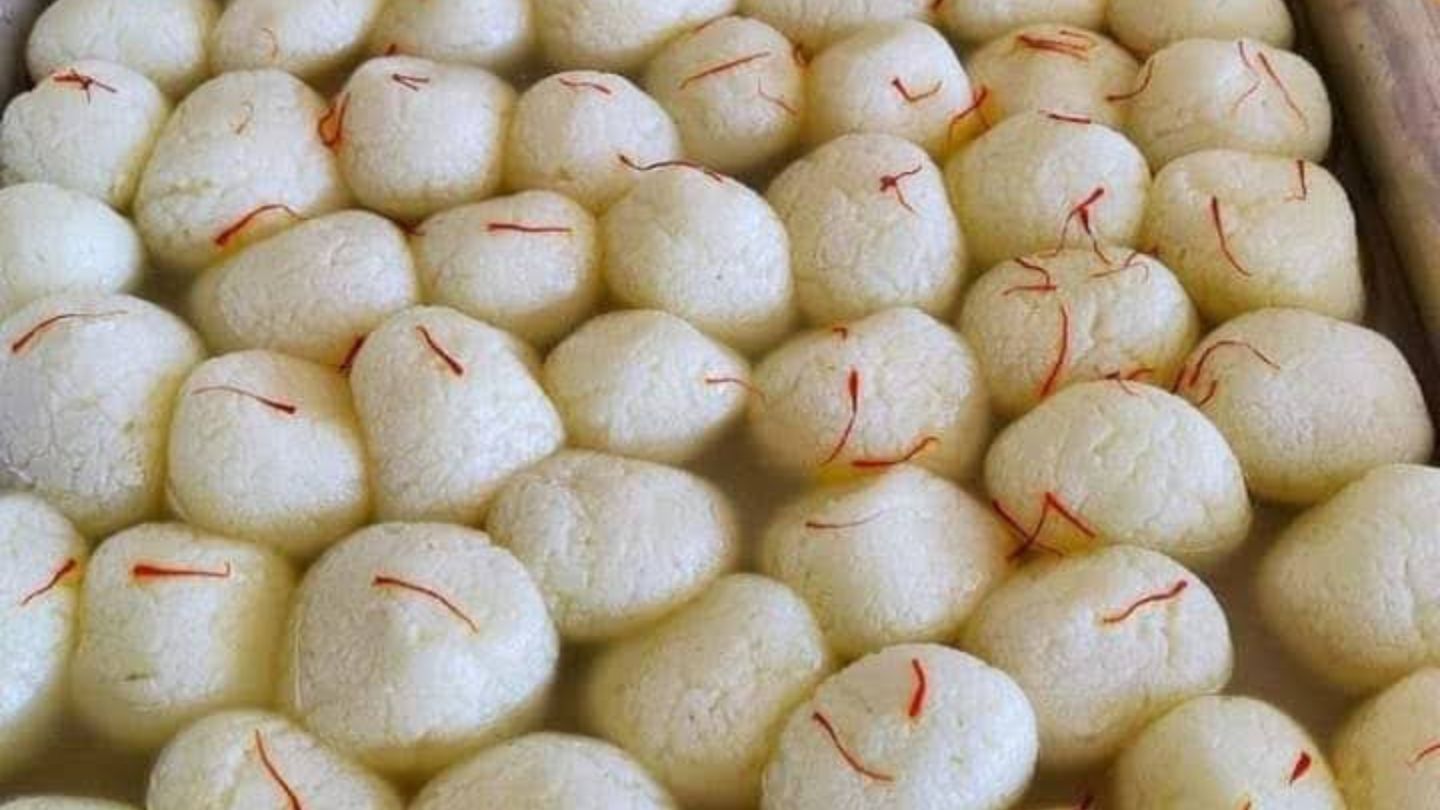
Planning a Bengali Wedding Dessert Menu?
Choose a mix of traditional, premium, and seasonal sweets so every guest finds something they love.
Request a Wedding Menu ConsultationMore Bengali Wedding Sweets That Your Guests Will Love
Along with premium favourites, these classic and regional sweets add variety, nostalgia, and comfort to the wedding dessert menu.
10. Kacha Golla
Kacha Golla is a soft, lightly prepared Sandesh made from fresh chana and sugar. Its slightly grainy texture and clean milky sweetness make it ideal for guests who prefer subtle sweets.
11. Mango Filled Sandesh
Mango Filled Sandesh is bright, colourful, and perfect for summer weddings. The fresh mango flavour inside a soft chana shell adds freshness and visual appeal to the dessert counter.
12. Kesharia Jalebi with Rabri
Kesharia Jalebi with Rabri is a festive favourite. Crispy saffron-tinted jalebi served with thick, creamy rabri gives guests a delicious contrast of hot, cold, crunchy, and creamy.
13. Patisapta
Patisapta is a traditional Bengali sweet pancake filled with coconut, jaggery, or khoya. It has a warm homemade feeling that suits family weddings beautifully.
14. VIP Baked Mihidana
Mihidana is a delicate golden Bengali sweet made from tiny gram-flour drops. The baked version adds a toasted note and richer flavour, while looking beautiful in serving bowls.
15. Langcha
Langcha is a beloved regional sweet from Shaktigarh, West Bengal. It is cylindrical, syrup-soaked, and slightly denser than Pantua, making it a strong traditional favourite.
16. Pantua
Pantua is one of the most popular Bengali marriage sweets. Made with chana and semolina, deep-fried until golden brown, and soaked in syrup, it is rich and satisfying.
17. Mishti Doi
Mishti Doi is the queen of Bengali wedding desserts. Sweetened milk is slowly fermented and set in clay pots to create a rich, caramel-like curd with a traditional earthy touch.
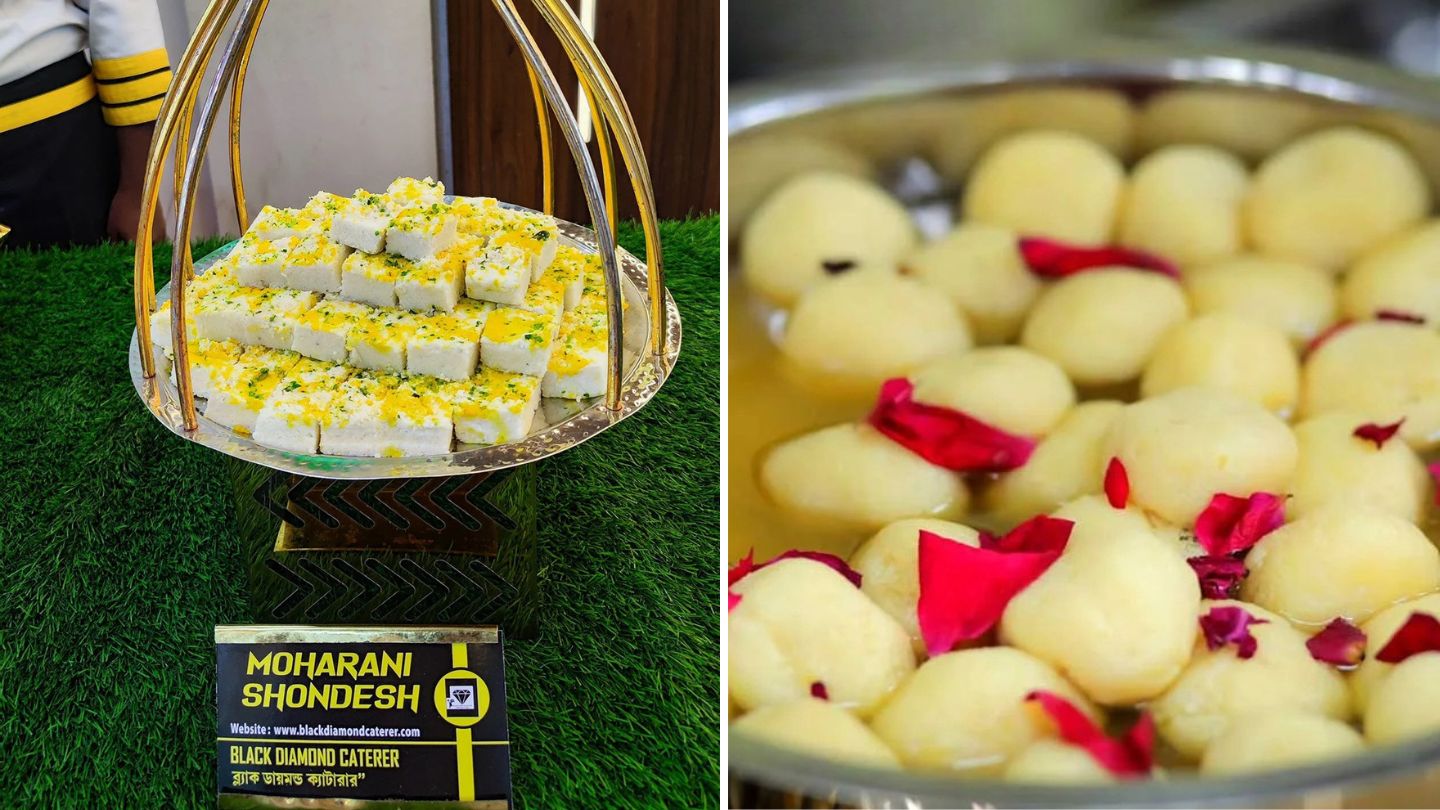
Eight More Bengali Wedding Desserts Worth Adding to Your List
These final eight options complete the list of 25 Bengali wedding desserts. They bring colour, regional value, texture, and variety to the overall sweet counter.
18. Chum Chum
Chum Chum is a colourful chana-based sweet that brightens the dessert table. It is usually oval-shaped and may be rolled in coconut or filled with sweet cream.
19. Kheer Kadam
Kheer Kadam has a small soft Rosogolla in the centre, coated with dry khoya and powdered sugar. The syrupy core and crumbly outer layer make it memorable.
20. Labanga Latika
Labanga Latika is a flaky, envelope-shaped sweet filled with coconut, khoya, and warm spices. It is sealed with a clove, fried, and soaked in sugar syrup.
21. Nolen Gurer Payesh
Nolen Gurer Payesh is a winter-special rice pudding made with date palm jaggery. Its smoky, earthy sweetness makes it a must-have for Bengali winter weddings.
22. Sitabhog
Sitabhog is a unique sweet from the Burdwan region of West Bengal. It looks like delicate white strands and is often served with Mihidana.
23. Kalo Jam
Kalo Jam is rich, dark, and indulgent. Made with chana and khoya, it is fried to a deep colour and soaked in syrup for an intense traditional flavour.
24. Chandrapuli
Chandrapuli is shaped like a crescent moon and filled with coconut and khoya. It adds elegance and visual beauty to the wedding dessert platter.
25. Amriti
Amriti is made from urad dal batter, fried into a spiral shape, and soaked in sugar syrup. It is similar to Jalebi but has a more rustic flavour.
How to Properly Serve Bengali Wedding Sweets
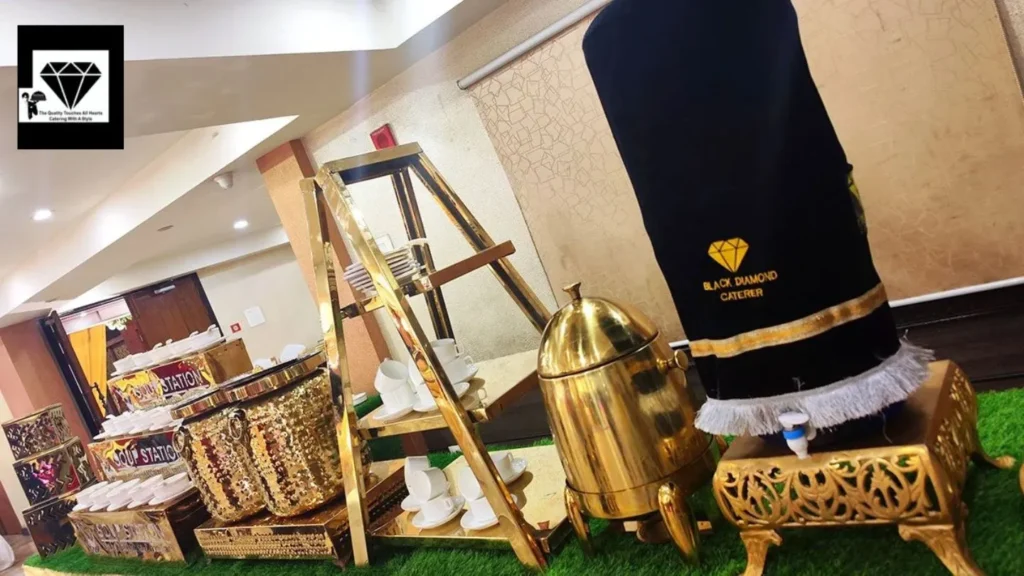
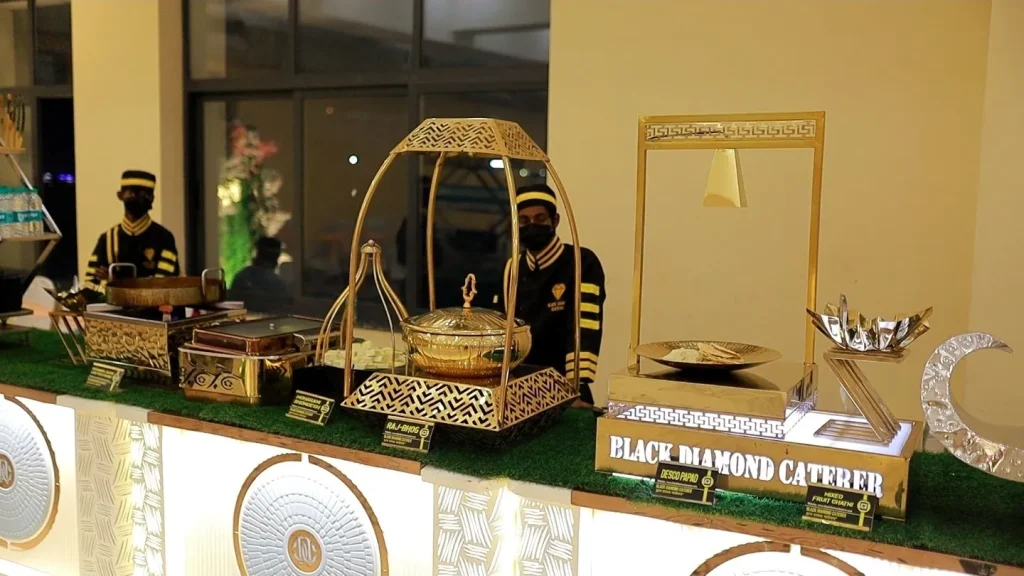
Presentation is as important as taste. A beautiful dessert counter makes guests feel welcome and improves the overall look of the wedding food setup.
- Serve Mishti Doi and Makha Shondesh in small clay bhaars for a traditional Bengali touch.
- Use banana leaf platters for a natural and cultural presentation.
- Add labelled dessert counters so guests can easily identify each sweet.
- Keep chilled sweets like Mishti Doi, Rasho Malai, and Jolbhora Sandesh on cooled trays.
- Use separate tongs and spoons for hygiene and smooth guest service.
- Mix soft, crispy, syrupy, creamy, and seasonal sweets for better variety.
Expert Tip: For a balanced Bengali wedding dessert menu, select 7 to 10 sweet varieties. Include classics like Mishti Doi and Rosogolla, one premium item like Jolbhora Sandesh or Raj-Bhog, one seasonal option like Nolen Gurer Payesh, and one live counter item like Jalebi with Rabri.
Frequently Asked Questions About Bengali Wedding Desserts
What is the all-time most popular Bengali wedding dessert?
Mishti Doi is one of the most popular Bengali wedding desserts, followed by Rosogolla, Sandesh, and Rasho Malai. Many guests expect at least one of these sweets at a traditional Bengali wedding.
How many types of sweets should I serve at a Bengali wedding?
Serving 7 to 10 sweet varieties is usually ideal. This gives guests enough choice without making the menu confusing. A mix of classic, premium, seasonal, and modern sweets works best.
Which desserts are best for winter Bengali weddings?
Nolen Gurer Makha Shondesh, Nolen Gurer Payesh, and Gurer Sandesh are excellent choices for winter weddings because they use seasonal date palm jaggery.
Can I serve both traditional and modern Bengali sweets at one wedding?
Yes. Combining classics like Mishti Doi, Pantua, and Sandesh with modern items like VIP Baked Rosogolla or Monte Carlo gives the menu better variety and appeals to both older and younger guests.
Which sweets are easiest to serve for a large wedding?
Rosogolla, Pantua, Langcha, and Chum Chum are easier to produce and serve in bulk. Delicate items such as Jolbhora Sandesh and Rasho Malai need more careful handling and temperature control.
What is the average cost of Bengali wedding desserts per guest?
A mid-range traditional sweet selection may cost around INR 150 to INR 250 per guest. Premium sweets such as Jolbhora Sandesh, Moha-Rani Shondesh, and Raj-Bhog may cost more depending on quality, quantity, and vendor pricing.
Final Thoughts: Make Every Bite Tell Your Love Story
A Bengali wedding is a celebration of food, family, emotion, and tradition. A well-planned dessert table brings all these feelings together beautifully. From royal Moha-Rani Shondesh and surprising Jolbhora Sandesh to timeless Mishti Doi, every sweet on this list can make your guests feel loved.
Take your time, arrange tastings, mix your favourites, and create a Bengali wedding dessert spread that your family and guests will remember for years.
Ready to Create a Sweet Wedding Experience?
Plan your Bengali wedding menu with a dessert counter that feels traditional, premium, and unforgettable.
Get a Custom Wedding Catering Quote